
Buying and lab guides
How to choose a research peptide supplier in the UK and US
Updated 14 October 2026 · 4 min read
A research peptide is only useful if it is what the label says, at the purity the label says. This guide explains what separates a dependable supplier from a risky one, from batch-specific lab reports to how vials are stored, shipped and supported.
Why the supplier matters more than the price
Almost every research peptide on the market is made by solid-phase peptide synthesis, where amino acids are added one at a time to a growing chain. Each step can go slightly wrong. A review of impurities in peptide medicines by D'Hondt and colleagues lists the usual suspects: deletion sequences where an amino acid was skipped, insertion sequences where one was added twice, side chains that kept their protecting groups, oxidised residues, dimers, and leftover counter-ions such as trifluoroacetate from purification.
These impurities are not just a cosmetic problem. The same review points out that related impurities can change the outcome of early functional studies and lead to wrong conclusions. In a well-known example, Cornish and colleagues found that trifluoroacetate, a common leftover from HPLC purification, reduced the proliferation of osteoblasts and chondrocytes at very low concentrations, enough to hide or invert the effect of the peptide being tested. When you buy a research peptide, you are really buying confidence in its identity, purity and composition.
Batch-specific lab reports
The single most useful thing a supplier can give you is a certificate of analysis (COA) for the exact batch you receive. A generic report that never changes, or one without a batch number, tells you very little. A good report names the product, the batch or lot number, the declared strength, the test date and the laboratory that did the work, and that batch number should match the label on your vial.
Independent testing matters too. A report from a third-party laboratory is harder to fake than an in-house sheet, especially if the laboratory offers a way to verify the document. At Peptora Labs every published batch is tested by Elementrix, and each report sits on the product page and on the Lab reports page, so you can read it before you order. Our guide on how to read a peptide COA walks through each section.
Identity and purity are two different questions
Purity, usually measured by reversed-phase HPLC, tells you what share of the material in the vial is the main compound. Identity, usually confirmed by mass spectrometry (LC-MS), tells you whether that main compound is the right molecule. You need both. A sample can show a single clean HPLC peak and still be the wrong peptide, and a correct mass says nothing about how much of the vial is made of related impurities.
Mant and colleagues describe how reversed-phase HPLC separates a peptide from its closely related impurities, which is why it is the standard purity method, while the measured molecular mass confirms the sequence. Regulatory specifications for peptide drug substances reviewed by Vergote and colleagues are built the same way: separate tests for identification, purity and assay (the actual amount of peptide).
Tests beyond purity
For cell culture and other sensitive lab work, purity is not the whole story. Endotoxins, fragments of the outer membrane of Gram-negative bacteria, can trigger strong inflammatory responses in cell systems at tiny concentrations. Dullah and Ongkudon describe how endotoxin is usually measured with the Limulus amebocyte lysate (LAL) method and why it is hard to remove once present. A report that includes endotoxin, sterility and heavy-metal testing gives you a much fuller picture than purity alone.
How much peptide is really in the vial
A vial labelled 10 mg does not always hold 10 mg of free peptide. Lyophilized peptides are usually salts, with counter-ions such as acetate or trifluoroacetate, and they hold some water. The net peptide content can therefore be noticeably lower than the gross weight. Good suppliers state clearly what the declared amount refers to, and a lab report that includes an assay or content figure lets you work out the real concentration when you prepare solutions. Our article on handling lyophilized peptides shows how to account for it.
Storage, packing and delivery
Freeze-dried peptides are fairly robust for short periods at room temperature, but long-term quality depends on cold, dry, dark storage. Ask how stock is stored before dispatch, whether vials are sealed, and how quickly orders ship. Tracked delivery matters too: you want to know where a parcel is and when to expect it, so it does not sit in a warm depot for days. See our guide to storing research peptides for what to do when your parcel arrives.
Clear terms and real support
A serious supplier is clear that its products are for laboratory research only, publishes its terms, privacy and returns policies, and is easy to reach. It also only offers products that are cleared for your destination, rather than leaving that question to you. Ask a question before you order and see how quickly and how clearly you get an answer.
Red flags
Be cautious if you see any of these:
- Advice or instructions about personal or human use. A research supplier should never give it.
- No batch numbers, or the same lab report shown for every batch and size.
- Purity figures without the report behind them, or reports that can't be checked.
- Prices far below the rest of the market with no explanation and no testing.
- No way to contact the company, or no published policies.
A quick checklist
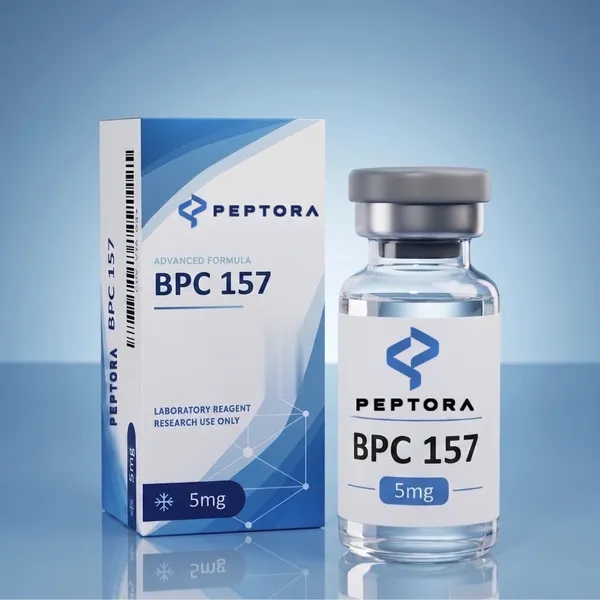
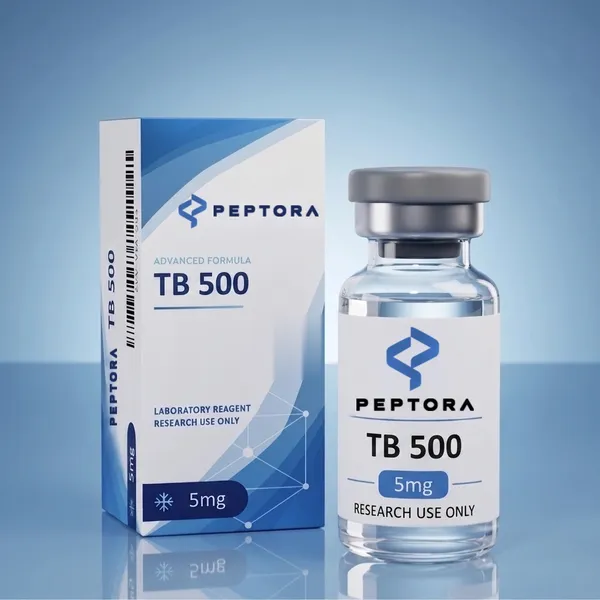
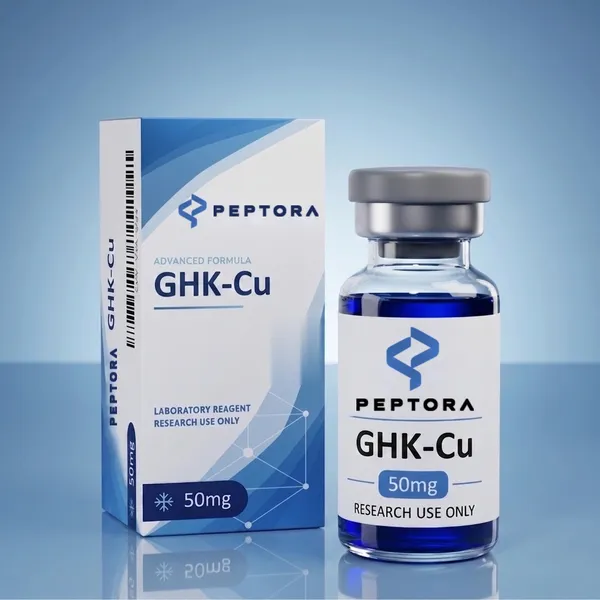
You can see how this works in practice on any of our product pages, for example BPC-157, TB-500 or GHK-Cu, where the current batch report sits next to the price.
- Is there a lab report for the current batch, from an independent laboratory?
- Does it confirm identity (LC-MS) as well as purity (HPLC)?
- Are endotoxin, sterility or heavy-metal tests included where they matter for your work?
- Does the batch number on the report match the vial?
- Is the declared amount clear, and is the material shipped quickly with tracking?
- Are research-use terms, returns and support clearly published?
Frequently asked questions
What is the most important thing to check before buying a research peptide?
A lab report for the exact batch you will receive, from an independent laboratory, that confirms both identity (LC-MS) and purity (HPLC).
Is a high HPLC purity enough on its own?
No. HPLC purity shows how much of the material is the main compound, but only mass spectrometry confirms that the main compound is the right molecule.
Why might a 10 mg vial contain less than 10 mg of peptide?
Peptides are usually supplied as salts with counter-ions such as acetate and contain some water, so the net peptide content is lower than the gross weight.
Do Peptora Labs products come with lab reports?
Yes. Every published batch is tested by Elementrix, and the report is on the product page and on the Lab reports page.
References
- D'Hondt M, Bracke N, Taevernier L, et al.. Related impurities in peptide medicines. J Pharm Biomed Anal. 2014. PubMed
- Cornish J, Callon KE, Lin CQ, et al.. Trifluoroacetate, a contaminant in purified proteins, inhibits proliferation of osteoblasts and chondrocytes. Am J Physiol. 1999. PubMed
- Mant CT, Chen Y, Yan Z, et al.. HPLC analysis and purification of peptides. Methods Mol Biol. 2007. PubMed
- Vergote V, Burvenich C, Van de Wiele C, et al.. Quality specifications for peptide drugs: a regulatory-pharmaceutical approach. J Pept Sci. 2009. PubMed
- Dullah EC, Ongkudon CM. Current trends in endotoxin detection and analysis of endotoxin-protein interactions. Crit Rev Biotechnol. 2017. PubMed
For laboratory research use only. Not for human or veterinary use. This article summarises published research and is not advice about personal use. You must be 21 or older to order.